How to Tell if You Need New Guitar Strings
As a guitar player, it's important to know when it's time to change your guitar strings. Old and worn-out strings can not only sound dull and lifeless, but they can also affect your guitar's playability, potentially causing damage to the instrument itself. Here are five key indicators to help you know when your guitar needs new strings. If you realize you need new strings while reading this article, we can take care of it for you at The Local Pickup in Rock Hill, SC.
In conclusion, knowing when to change your guitar strings is essential for maintaining your guitar's sound quality and playability. By paying attention to the above indicators and regularly inspecting your strings for wear, you can ensure that your guitar always sounds and plays its best. The Local Pickup regularly handles guitar maintenance, repairs, and setups, so bring in your guitar into our Rock Hill, South Carolina showroom if you've experienced any of the issues listed above.
1. Your Guitar Has Poor Sound Quality
If your guitar sounds dull or muted, it may be time to change your strings. Over time, strings lose their brightness and clarity and can even start to sound flat or out of tune. It can be difficult to notice intonation issues that develop over time, so check out this article for help on that. Changing your strings can bring new life to your guitar's tone and improve the overall sound quality.2. You Have Difficulty Keeping Your Guitar in Tune
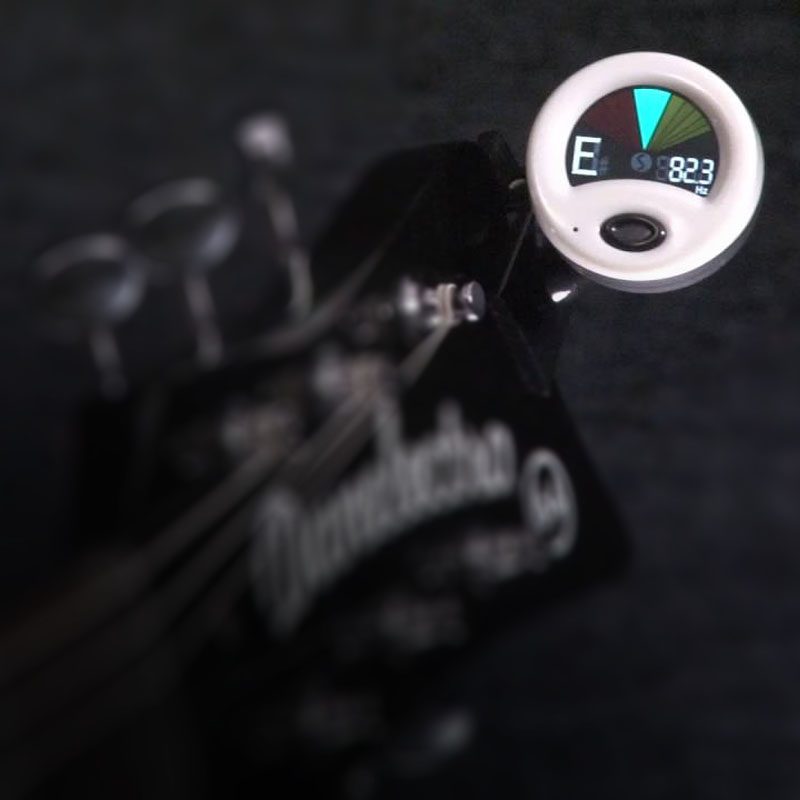
If your guitar is struggling to stay in tune, it may be a sign that your strings are worn out. Old strings can stretch and lose their elasticity, making them difficult to tune and causing your guitar to sound out of tune even when you've just tuned it. Changing your strings can help your guitar stay in tune longer and sound better overall.3. Your Strings Are Showing Visual Signs of Wear
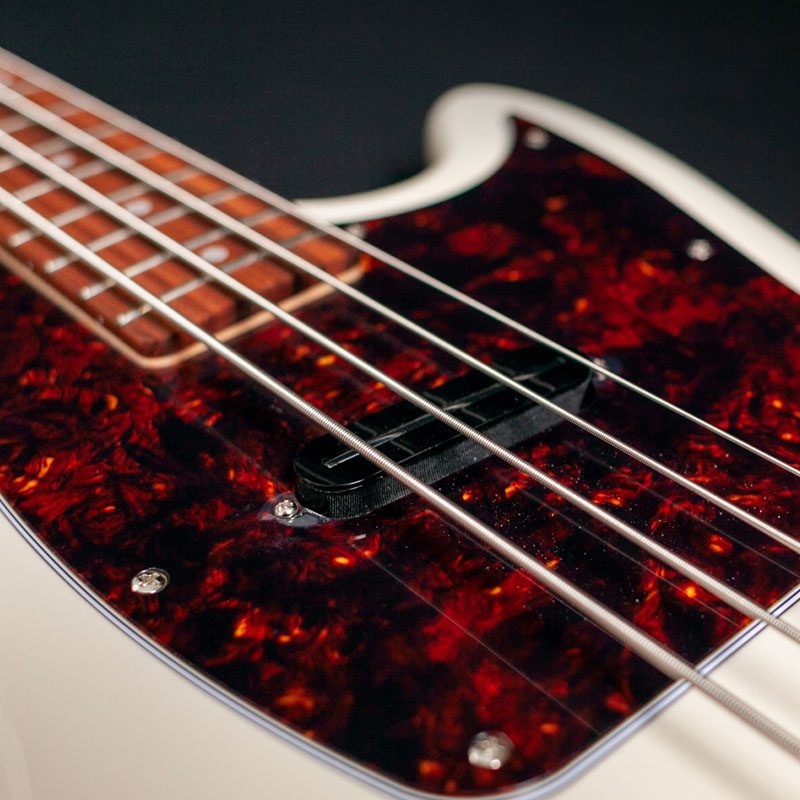
If you notice any visible signs of wear on your strings, such as rust, discoloration, or fraying, it's time to change them. Old strings can also develop flat spots or kinks that can affect their playability and tone, not to mention the damage that can do to your fingers. Regularly inspecting your strings for wear can help you identify when they need to be changed.4. You Are Noticing a Loss of String Tension and Playability
As strings age, they can lose their tension and become more difficult to play or rattly. This can make it harder to play chords and notes cleanly, and can also affect your guitar's intonation. Changing your strings can help restore your guitar's playability if you've noticed it deteriorating.5. It Has Been a Long Time Since Your Strings Were Last Changed
Finally, it's important to remember that even if your strings still sound good and play well, they will eventually need to be changed due to regular wear and tear. As a general rule of thumb, it's recommended to change your strings every three to six months, depending on how often you play and the type of strings you use.In conclusion, knowing when to change your guitar strings is essential for maintaining your guitar's sound quality and playability. By paying attention to the above indicators and regularly inspecting your strings for wear, you can ensure that your guitar always sounds and plays its best. The Local Pickup regularly handles guitar maintenance, repairs, and setups, so bring in your guitar into our Rock Hill, South Carolina showroom if you've experienced any of the issues listed above.